 Reviews

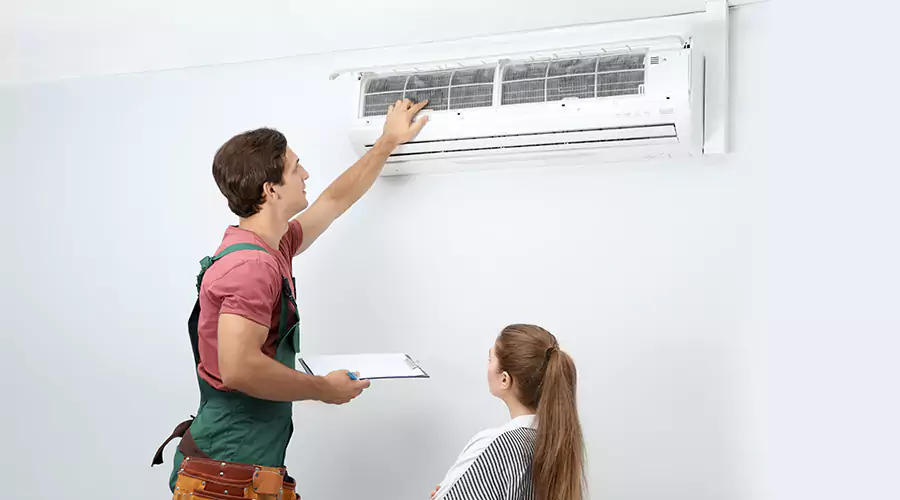
An HVAC system is one of the biggest investments in a home. When something goes wrong, a warranty can help reduce repair costs and protect your budget. Still, many homeowners do not fully understand what an HVAC warranty covers until they need service. An HVAC replacement warranty can also help clarify coverage when a covered system requires replacement.
Warranty details can vary by brand, contractor, equipment type, and installation quality. That is why it is important to review the terms before installing a new system or requesting covered repairs.
Why HVAC Warranties Matter?
Warranties provide financial protection when parts fail under covered conditions. They help reduce out of pocket repair costs. However coverage depends on specific terms.
How Warranty Coverage Protects Your Investment?
Good HVAC warranty coverage helps reduce expenses when approved parts fail. It also gives homeowners more confidence after installation. Understanding limits helps prevent unexpected charges.
New HVAC Warranty Basics
New systems include warranty coverage from the start. Coverage details vary by brand and registration status. Understanding the basics helps avoid confusion later.
What Homeowners Should Confirm Before Installation?
A new HVAC warranty should be reviewed before installation is complete. Confirm start date and coverage length. Clear explanation helps avoid misunderstandings.
Manufacturer HVAC Warranty
Manufacturer coverage focuses on equipment defects. It applies to specific parts under certain conditions. This warranty comes from the equipment brand.
What Manufacturer Coverage Typically Includes?
A manufacturer HVAC warranty usually covers parts that fail due to defects. It does not include labor or maintenance related issues. Knowing this difference helps set expectations.
Labor Warranty HVAC Coverage
Labor warranties cover the cost of service work. They are provided by the contractor.
This coverage is separate from parts.
How Labor Coverage Complements Parts Warranty?
A labor warranty HVAC plan helps cover technician time for repairs. It reduces additional service costs. Combined coverage offers better protection.
HVAC Parts Warranty
Parts coverage applies to specific system components. Different parts may have different terms. This depends on the manufacturer.
Which Components Are Commonly Covered?
An HVAC parts warranty may include motors and compressors and control boards. Coverage varies by system type. Keeping records helps verify eligibility.
Installation Warranty
Installation quality affects system performance. Workmanship coverage protects against installation errors. This warranty comes from the contractor.
Why Workmanship Coverage Matters?
An HVAC installation warranty covers issues caused by improper setup. This ensures accountability for installation quality. It helps prevent early system problems.
Quick HVAC Warranty Comparison
This table explains common warranty types.
| Warranty Type | Usually Covers | Usually Does Not Cover |
|---|---|---|
| Manufacturer warranty | Approved equipment parts | Labor and poor maintenance |
| Labor warranty | Contractor repair labor | Parts not covered by contractor |
| Installation warranty | Workmanship issues | Damage from misuse |
| Extended warranty | Added protection period | Items excluded in the plan |
| Maintenance warranty | Plan-specific service benefits | Neglected system damage |
Each warranty is different, so homeowners should review the actual contract.
HVAC Warranty Terms to Review
Warranty documents include important conditions. These terms determine coverage eligibility. Reading them carefully is essential.
Key Conditions That Affect Coverage Approval
HVAC warranty terms often include maintenance requirements and claim deadlines. Missing these can void coverage. Understanding terms helps avoid claim issues.
Registered HVAC Warranty
Registration may extend warranty coverage. Some manufacturers require it within a specific time. Unregistered systems may have shorter coverage.
How Registration Impacts Warranty Length?
A registered HVAC warranty often provides longer protection. Registration confirms ownership and installation details. Completing this step helps secure full benefits.
Extended HVAC Warranty
Extended coverage adds protection beyond the standard period. It can reduce long term risk. However it may not cover everything.
When Extended Coverage Makes Sense?
An extended HVAC warranty is useful for long term system ownership. It may include additional parts or labor coverage. Review terms before purchasing.
Furnace Warranty
Heating systems include warranty terms that vary by component and usage. Safety related parts often carry longer coverage due to their role in system operation.
What Heating System Coverage Typically Includes?
A furnace warranty may cover key components like burners and heat exchangers. Coverage length depends on the part and manufacturer terms.
AC Warranty
Cooling systems include warranty coverage based on parts and operating conditions. Maintenance plays a key role in keeping coverage valid.
What Affects Cooling System Warranty Claims?
An AC warranty may cover compressors and coils and motors. Lack of maintenance can affect approval for claims.
Heat Pump Warranty
Heat pumps run in both heating and cooling modes throughout the year. This makes consistent maintenance more important for coverage.
How Dual Function Systems Affect Warranty Needs?
A heat pump warranty covers components used in both operating modes. Frequent use increases wear which makes maintenance essential.
HVAC Maintenance Warranty Requirements
Warranty terms often require regular service to remain valid. Skipping maintenance can lead to denied claims.
Why Maintenance Records Protect Your Warranty?
An HVAC maintenance warranty may require proof of service history. Records help confirm that the system received proper care.
What Can Void an HVAC Warranty?
Several mistakes can void HVAC warranty protection. This can leave homeowners responsible for repair costs that might have been covered.
Common causes include:
- Skipping required maintenance.
- Using unapproved replacement parts.
- Hiring an unqualified installer.
- Failing to register equipment on time.
- Ignoring airflow or filter problems.
- Modifying the system incorrectly.
Always follow manufacturer guidelines and contractor recommendations.
Warranty Repair HVAC Process
Warranty claims require a clear process that starts with system diagnosis. Understanding the steps helps avoid delays and confusion.
What to Expect During a Warranty Claim?
A warranty repair HVAC request begins with inspection to confirm eligibility. Approved parts may be replaced while labor or fees may still apply.
HVAC Contractor Warranty
Contractor warranties cover workmanship and service quality after installation or repair. Coverage details depend on the company.
How Contractor Guarantees Add Value?
An HVAC contractor warranty may include labor coverage for a set period. Written terms help prevent disputes and clarify expectations.
Homeowner HVAC Warranty Responsibilities
Homeowners must follow basic care steps to keep warranty coverage valid. Neglect can reduce or cancel protection.
Steps Homeowners Must Follow to Keep Coverage
A homeowner HVAC warranty requires regular filter changes and scheduled maintenance. Timely repairs help prevent further damage and protect coverage.
Keep HVAC Service Records
Keeping records helps support warranty claims and system history. Documentation shows that proper care was provided.
Why Record Keeping Supports Warranty Claims?
HVAC service records confirm maintenance and repair activity when filing a claim. Organized records make the process faster and more reliable.
Final Thoughts
HVAC warranties can protect homeowners, but only when the terms are understood and followed. Coverage may include parts, labor, installation work, or extended protection, depending on the agreement.
Before buying or repairing a system, ask clear questions about coverage, exclusions, registration, and maintenance requirements. With proper care and organized records, your warranty can offer better protection when your heating and cooling system needs attention.